Pelvic floor muscle tension, also called overactive pelvic floor muscles involves pelvic floor muscles that are too tense (tight) and unable to properly relax.
Pelvic pain is associated with tight pelvic floor muscles that are unable to relax along with decreased blood flow and nerves becoming more sensitive over time.
Relieving pelvic pain involves treatment techniques that relax tight pelvic floor muscles, improve blood flow and reduce nerve sensitivity.
These treatment techniques address these causes of pelvic pain and can be performed at home.
1. Pelvic Floor Relaxation
Start by watching this pelvic floor relaxation video then read on below.
Physical Therapist Pelvic Floor Relaxation Video
Daily pelvic floor relaxation practice is imprtant for relaxing tight, painful pelvic floor muscles. Pelvic floor relaxation exercises promote relief from pain and muscle spasm.
Lying down with a pillow under your knees or lying on your side with a pillow between your legs will relieve the weight of your abdomen off your pelvic floor. When you are upright, your pelvic floor is under load.
Take the load off your pelvic floor to reduce pelvic discomfort by avoiding prolonged standing or sitting.
Unloading your pelvic floor muscles can give you immediate pain relief especially when combined with a warm pack
3. Apply Heat
Heat treatment can relieve pelvic floor pain1. Mild heat applied over the pelvic openings and lower belly can relax pelvic floor muscles and promote blood flow.
The best position to apply the warm pack is lying down with a pillow under both knees.
Apply the warm pack or mild heating pad over the pelvic floor (outside your briefs) and lower belly for 15-20 minutes at a time.
The pelvic floor muscle relaxation methods outlined in this Down Training Routine (next) can provide immediate relief when combined with heat treatment.
4. Pelvic Floor Down Training Relaxation Routine
This pelvic floor muscle relaxation method known as Down Training2 promotes pelvic floor muscle relaxation.
Relaxation
Lying down with a pillow under both knees for 20-30 minutes daily to relax the pelvic floor muscles. Positioning a warm pack over the pubic area and/or lower abdomen can assist pelvic floor relaxation.
Diaphragmatic Breathing
Diaphragmatic breathing involves slow and deep breathing into the belly. Slow diaphragmatic breathing (belly breathing) relaxes tight pelvic floor muscles and calms the nervous system to reduce pain.
Visualization
Imagine or picture in your mind’s eye your pelvic floor muscles relaxing and a sensation of warmth in and around the pelvic openings.
Perineal Bulging
Gentle pelvic floor bulging as if passing gas is taught by Pelvic Floor Physiotherapists. Bearing down too strongly can increase spasm so this must be done gently.
Relaxing Environment
Choosing a relaxed environment can assist overall whole body relaxation. Resting in a warm room, listening to soft calming music and using a light cover over the body can aid relaxation.
Whole Body Relaxation
Whole body relaxation is usually used in conjunction with pelvic floor muscle relaxation. This process involves progressive relaxation of the muscles or limbs of the body from the face and neck through to the feet
Body Scanning
Whole body scanning for areas of increased muscle tension is part of learning the process of pelvic floor muscle relaxation.
5. Pause Kegel Exercises
Kegel exercises also known as pelvic floor exercises involve contracting the pelvic floor muscles. When the pelvic floor muscles are tight and not relaxing, doing Kegel exercises can exacerbate pelvic pain and muscle tightness.
Unless advised by your Pelvic Floor physiotherapist, pause Kegel exercises when experiencing pelvic pain and pelvic floor tension.
Pelvic floor retraining involving pelvic floor exercises is usually recommenced under the supervision of a Pelvic Floor Physiotherapist only when the patient is able to voluntarily relax their pelvic floor muscles and pelvic pain has subsided.
Resuming Kegel exercises is a gradual process usually over an extended period of time. Pelvic floor muscle training is an important part of managing and recovering from chronic pelvic pain with overactive pelvic floor muscles.
6. Vaginal Dilator Therapy
Vaginal dilator therapy is often used in the clinic and by women at home to treat pelvic floor muscle tension.
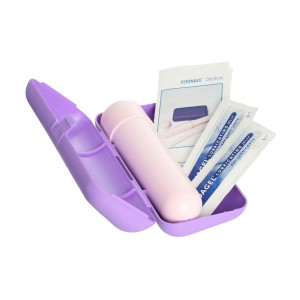
Vaginal dilators (shown right) are used inside the vagina to improve the comfort with the feeling of vaginal penetration and to train pelvic floor relaxation with penetration.
Vaginal dilators are also used by women following radiation therapy and following some forms of pelvic surgery such as hysterectomy where the vaginal tissues have become inelastic and require gentle stretching for the woman to resume sexual activity with comfort.
Sometimes the length of the vagina can become shortened during hysterectomy surgery and in these cases vaginal dilators can assist with gentle elongation of the vaginal tissues.
Vaginal dilators should be used with non toxic lubricants for pelvic floor health.
7. Stress Reduction and Cognitive Behavioural Therapy
Living with chronic pain can be very stressful indeed. Stress can make chronic pelvic pain much worse.
Reducing stress and changing thinking and behaviours related to pelvic pain can assist in treating pelvic pain.
Techniques to reduce stress and change unhelpful thoughts and behaviours include:
Breathing and relaxation exercises
Mindfulness training
Counselling and training in cognitive behaviour therapy
Prioritizing rest and sleep routines
If you live in Australia and have a chronic health condition you can access government subsidized treatment for psychology and counselling through an EPC (Enhanced Primary Care Program). This requires a referral from your doctor.
8. Bowel Management
Bladder and bowel problems commonly occur with pelvic floor muscle tension. Good bowel management is important for reducing muscle spasm associated with pain and straining.
Avoid straining to use your bowels and aim for the correct stool consistency which is a soft well formed stool.
Use the correct bowel emptying technique (shown below) to avoid straining and achieve a comfortable bowel movement.
Keep your stool soft and well formed so that it is easy to pass. Choose stool softener foods if your stool is too firm and causes you discomfort and straining.
Drink plenty of water to promote bowel movement and reduce the risk of constipation. Most women should aim for approximately 2 litres/day (67 ounces).
Natural Constipation Relief in 3 Easy Steps ("MOO to POO")
Try to reduce the time spent sitting for extended durations. Take frequent rests from sitting by standing, slow walking or lying down.
Sit with good posture avoiding slumped posture which is known to increase pelvic tension. Good sitting posture involves maintaining the normal inward curve in the lower back.
Avoid sitting on round rubber rings which can increase pelvic floor strain.
Use a quality pelvic support cushion can help to alleviate pelvic pressure and pain.
10. Manual Physiotherapy Treatment
A trained Pelvic Floor Physiotherapist may use specific methods to promote pelvic floor relaxation and to re-educate the correct activation of these muscles. Pelvic floor physiotherapists are highly trained and skilled in manual therapy techniques for the pelvic floor.
Treatment techniques are usually progressed gradually over time and may include:
Desensitizing painful areas to touch (using physical touch or vaginal dilators)
Pelvic floor stretches using digital resistance against these muscles
Biofeedback instruments which tell you about the activity of the pelvic floor muscles
Treating coexisting conditions which may present along with pelvic floor spasm such as problems with pelvic joints, tailbone problems and/or lower back problems.
Progressive strengthening of the pelvic floor muscles only when appropriate.
11. Appropiate General Exercise
Overall strength and fitness can become decreased when living with chronic pain including pelvic pain.
It’s only natural that general exercise becomes low on the list of priorities when living with chronic pelvic pain and spasm through fear of exacerbating pain and fatigue.
Some researchers have suggested that some specific general exercises may play an important role in recovery from pelvic pain 4.
Appropriate pelvic floor friendly exercises may assist overall recovery by improving strength and fitness while avoiding exacerbation of pelvic floor conditions.
Appropriate exercises with pelvic floor spasm may include:
Posture exercises
Gentle muscle stretching of tight thigh and buttock muscles
Progressive low impact fitness exercise such as gentle water walking
These exercises and activities can increase pelvic floor muscle tension:
Painful intercourse or painful vaginal penetration
Prolonged sitting or standing
12. Multidisciplinary Treatment
Pelvic Floor Physiotherapy rehabilitation is part of the multidisciplinary team involved in treating chronic pelvic pain and floor muscle tension.
The multidisciplinary team can include: general practitioner, psychologist, pelvic floor physiotherapist, gynaecologist and dietician.
Some medical centres and hospitals offer a multidisciplinary services for treating chronic pelvic pain.
What is Pelvic Floor Muscle Tension?
Pelvic floor muscles contract and relax in the same way all skeletal muscles contract and relax.
The muscles of the pelvic floor can become taut with spasm and overactive. Overactive pelvic floor muscles have increased tension and can’t fully relax, just like having very tight and painful neck muscles that won’t relax.
Pelvic pain associated with pelvic conditions such as endometriosis can cause involuntarily tightening of the pelvic floor muscles. This pattern often causes a cycle of ongoing pelvic pain and increased pelvic floor muscle tension or pelvic floor muscle spasm.
Gynecologists and physical therapists are seeing increasing numbers of women with pelvic pain associated with the inability to relax the pelvic floor muscles. Pelvic pain is often undiagnosed and inappropriately managed owing to the continued lack of understanding about this condition.
Causes of Pelvic Floor Muscle Spasm
Possible causes of pelvic floor spasm include:
Overloading the pelvic floor muscles with too much pelvic floor exercise (Kegel exercise) and insufficient relaxation.
Pelvic surgery including prolapse surgery and hysterectomy
Pelvic infection or inflammation
Recurrent infection for example cystitis
Pelvic pain conditions including interstitial cystitis or endometriosis
Pelvic trauma
Postural problems
Mental and emotional factors including anxiety, catastrophizing and hyper vigilance3
Pain and pelvic floor muscle tension are interrelated however it currently remains unclear whether pelvic pain causes pelvic floor muscle spasm, or whether the spasm causes pain.
Signs and Symptoms of Pelvic Floor Muscle Tension
Pelvic floor muscle spasm can be associated with a wide range of possible signs and symptoms.
Bladder
Bladder signs and symptoms associated with pelvic floor spasm can include slow urine flow, difficulty commencing urination, inability to completely empty the bladder, interrupted urine flow and urinary urgency. These signs and symptoms can result from insufficient pelvic floor muscle relaxation.
Bowel
Bowel signs and symptoms can include constipation, incomplete emptying of the stool, difficulty commencing bowel movement and straining throughout emptying. The straining associated with constipation can further increase pelvic floor pain and muscle tension. Additional bowel problems may develop with pelvic floor spasm for example rectal prolapse, hemorrhoids or anal fissure.
Sexual Dysfunction
Pelvic floor muscle tension can be associated with signs and symptoms during intercourse and penetration. Vaginismus is the term used to describe involunatary pelvic floor muscle spasm with the suggestion of vaginal penetration. This can can prevent sexual intercourse, insertion of tampons and gynecological examinations.
Sexual problems associated with overactive pelvic floor muscles can cause considerable emotional difficulty with stress, anxiety and relationship difficulties.
Chronic Pain
Physical discomfort associated with pelvic floor muscle tension presents differently in different women. Pain, ache or physical discomfort with pelvic spasm may present in any the following areas:
low abdomen
low back
vagina
anus
Ongoing pain can create added stress and anxiety further increasing muscle spasm and discomfort. This can establish a an ongoing cycle of increasing pain, spasm and pelvic floor dysfunction.
Pelvic Floor Muscle Weakness
Pelvic floor muscle weakness results from the pelvic floor muscles contracting constantly and becomeing fatigued as a result. Pelvic floor weakness then contributes to problems such as stress incontinence (involuntary leakage of urine with exercise or activity). The supportive function of the pelvic floor muscles may also be compromised, increasing the vulnerability to other pelvic floor problems such as vaginal prolapse.
Where to Access Treatment for Pelvic Floor Muscle Tension
If you suffer from pelvic floor muscle tension and pelvic pain, you can access professional treatment with a Gynecologist or a qualified Pelvic Floor Physiotherapist. Urogynaecologists specialize in bladder and vaginal problems are highly qualified to diagnose and assist with management of pelvic floor muscle tension.
References
1. Dodi, G. Bogoni, F. et al. (1986) Hot or cold in anal pain? A study of the changes in internal anal sphincter pressure profiles. Diseases of the Colon and Rectum 29(4):248-251.
2. Shelly B, Knight, S. et. al. (2002) Pelvic Pain ch 23-27. Therapeutic Management of Incontinence and Pelvic Pain, J. Laycok and J Haslam. London, Springer-Verlag: 156-189.
3. Bergeron, S. Morin, M. and Lord, M. (2010) Integrating pelvic floor rehabilitation and cognitive-behavioural therapy for sexual pain: What have we learned and were do we go from here? Sexual and Relationship Therapy. Vol 25(3):289-298.
4. Fitzgerald M. and Kotarinos R. (2003) Rehabilitation of the short pelvic floor. II: treatment of the patient with the short pelvic floor. International Urogynaecology Journal and Pelvic Floor Dysfunction 14 (4): 269-275.
Pelvic floor exercises for women in 3 simple steps for beginners with Pelvic Floor Physiotherapist Michelle Kenway. This Physiotherapist guided video teaches you: Pelvic Floor
Anal fissure treatment for anal fissure healing and relieving anal pain with bowel movements presented by Pelvic Floor Physiotherapist Michelle Kenway. Watch this video and
Proctalgia Fugax exercises and treatments at home can quickly relieve sudden onset anal pain. Proctalgia Fugax is thought to involve temporary spasm of the pelvic
Tailbone pain relief for sitting and healing coccydynia with Physiotherapist Michelle Kenway. Learn 4 cost effective ways to relieve tailbone pain with sitting and promote
To provide the best experiences, we use technologies like cookies to store and/or access device information. Consenting to these technologies will allow us to process data such as browsing behavior or unique IDs on this site. Not consenting or withdrawing consent, may adversely affect certain features and functions.
Functional
Always active
The technical storage or access is strictly necessary for the legitimate purpose of enabling the use of a specific service explicitly requested by the subscriber or user, or for the sole purpose of carrying out the transmission of a communication over an electronic communications network.
Preferences
The technical storage or access is necessary for the legitimate purpose of storing preferences that are not requested by the subscriber or user.
Statistics
The technical storage or access that is used exclusively for statistical purposes.The technical storage or access that is used exclusively for anonymous statistical purposes. Without a subpoena, voluntary compliance on the part of your Internet Service Provider, or additional records from a third party, information stored or retrieved for this purpose alone cannot usually be used to identify you.
Marketing
The technical storage or access is required to create user profiles to send advertising, or to track the user on a website or across several websites for similar marketing purposes.
To provide the best experiences, we use technologies like cookies to store and/or access device information. Consenting to these technologies will allow us to process data such as browsing behavior or unique IDs on this site. Not consenting or withdrawing consent, may adversely affect certain features and functions.
Functional
Always active
The technical storage or access is strictly necessary for the legitimate purpose of enabling the use of a specific service explicitly requested by the subscriber or user, or for the sole purpose of carrying out the transmission of a communication over an electronic communications network.
Preferences
The technical storage or access is necessary for the legitimate purpose of storing preferences that are not requested by the subscriber or user.
Statistics
The technical storage or access that is used exclusively for statistical purposes.The technical storage or access that is used exclusively for anonymous statistical purposes. Without a subpoena, voluntary compliance on the part of your Internet Service Provider, or additional records from a third party, information stored or retrieved for this purpose alone cannot usually be used to identify you.
Marketing
The technical storage or access is required to create user profiles to send advertising, or to track the user on a website or across several websites for similar marketing purposes.