
Pelvic floor safe exercises for arms
This free physiotherapist-guided 10 minute video shows you how to improve your arm strength with effective exercises using techniques and positions that reduce the likelihood of pelvic floor strain.
Pelvic floor safe exercise is vital for women:
- with prolapse symptoms
- with incontinence
- resuming exercises after a hysterectomy
- resuming exercise after prolapse surgery.
Please scroll down this page to view video. We welcome your comments below.
This video features:
- exercises ideal to strengthen and tone your arms
- exercises designed to minimise pelvic floor strain
- dumbbell hand weights and a fit ball or chair exercises
- correct techniques that minimise the risk of shoulder and neck injury.
Arm strength exercises demonstrated:
1. Bicep curls for strong upper arm muscles
2. Rotator cuff for shoulder and middle back strength
3. Tricep extensions for firm, toned upper arm muscles.
If you have pelvic floor dysfunction including pelvic prolapse symptoms, after a hysterectomy and after prolapse surgery be very cautious about the strength exercises you perform and the techniques that you use. Inappropriate exercises can increase your risk of worsening your pelvic floor problems and/or make your symptoms worse.
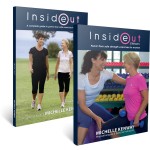
For expert guidance for your general exercise program to protect your pelvic floor refer to Inside Out – the essential woman’s guide to pelvic support by pelvic floor experts Michelle Kenway (Physiotherapist) & Dr Judith Goh (Urogynaecologist)
Note to ensure the smooth viewing of the video, it is recommended that you press on this play arrow and then when the video starts loading you press the ‘pause’ button until you can see that the entire video has loaded. This will help avoid the video stopping to load while you watch.
Please read our disclaimer regarding this information
This information is provided for general information only and should in no way be considered as a substitute for medical advice and information about your particular condition.
While every effort has been made to ensure that the information is accurate, the author accepts no responsibility and cannot guarantee the consequences if individuals choose to rely upon these contents as their sole source of information about a condition and its rehabilitation.
Copyright © Pelvic Exercises.com.au


thank you so much – i had a pelvic repair and hysterectomy many years ago and now suffer with prolapse again. after reading your newsletter and book inside out i now realize how i have contributed to my problem by not excercising properly and increasing my prolapse to now requiring surgery again.
Hi Linda
Thanks so much for your comment. I hope you now have a better understanding of how to stay active and protect your pelvic floor. Take care and good luck Michelle
Thankyou so much recieving your emails makes me feel so much better. I had surgery three months ago for stress incontinence. I like other women in your book made my problem worse with pilates and boot camps. I was very depressed when my surgeon made me promise I would not go back to the gym. Your book has given me confidence that I can still keep in shape with out doing any further damage to my weak pelvic floor. I am 37 years old and I want to stay fit and healthy so thankyou.
Hi Michelle- thanks so much for this! I’ve been really missing my exercise since I discovered my prolapses so I’ve ordered the book and can’t wait! Can you tell in the mean time if pushups are safe to do with POP? I’m 5 weeks postpartum with my second child- the first since I discovered my prolapses.
Hi Emma
I think women post partum should take care with full push ups as they can involve intense core work. Unfortunately in our western culture there seems to be an irrational focus on returning to shape postnatally and flattening the stomach with exercises that the weakened pelvic floor is just not designed to withstand. Take your time with your exercise, if you must do pushups then they are best modified by kneeling to perform them. The focuse at this time is on making sure that your pelvic floor muscles return to good shape so that they can withstand the downward forces placed upon them with motherhood such as lifting prams, nursing babies, future pregnancies… Enjoy your wonderful gift Emma and best wishes for your future health and happiness Michelle