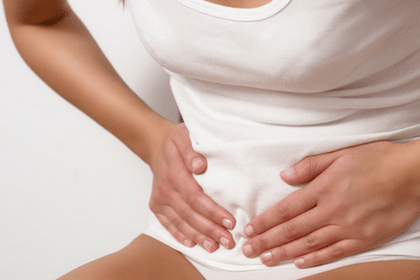
Are you suffering from bloating and painful gas after hysterectomy?
Do you need help to relieve gas pain now?
Gas pain is one of the common and often unexpected side effects of hysterectomy. Some women develop bowel control problems with gas after hysterectomy1.
Fortunately there are a number of things you can do at home to avoid and relieve postoperative painful gas and bloating.
This Pelvic Floor Physiotherapist information helps you relieve painful gas with:
10 home solutions for passing gas after hysterectomy
Post hysterectomy exercises for passing gas
Understanding what’s causing your gas pain after hysterectomy
Hysterectomy Recovery Exercises e-Book
Reduce the risk of common hysterectomy side effects and promote the speed of your recovery.
Ideal for:
Early hysterectomy recovery (abdominal or vaginal hysterectomy)
Preparing for a hysterectomy
Reducing the risk of common side effects e.g. back pain, constipation and gas
Preparing your body for return to work and regular activity.
Looking for information on how to get rid or gas or pass gas after hysterectomy and relieve discomfort?
These simple solutions will help you to avoid wind or gas after hysterectomy and alleviate gas pain.
Choose anyone or a combination of the following solutions:
Solution 1: Use a Warm Pack
Placing a warm pack on your abdomen can help to relieve gas pain.
Check that your warm pack isn’t too hot before applying it. Place the warm pack over clothing and avoid placing it directly on your skin.
It’s important to avoid placing warm packs directly over your abdominal hysterectomy wound as sensation around the area may be reduced and healing tissues may be susceptible to tissue burn.
Solution 2: Hysterectomy Exercises for Passing Gas
Lying flat on your back is a very difficult position for passing gas. Lying down on the back does not promote gut motility to help shift gas.
Physical Therapist exercises can help you pass gas after hysterectomy shown in this video (below).
Positioning your body to rest briefly on your hands and knees is a great position for shifting gas and relieving discomfort.
If you’re early stage post-hysterectomy and you can’t kneel, you may instead try leaning forwards as an alternative position. Support your upper body by leaning forwards and resting your elbows onto a firm support such as the kitchen bench or a window sill.
Side-lying with a pillow between the knees and supporting the abdomen can help to more easily pass gas during early hysterectomy recovery.
Solution 3: Move Regularly
Physical immobility is a major factor causing slowed gut motility and gas after a hysterectomy.
Walking is an excellent strategy for improving gut motility and eliminating gas.
Move out of bed after hysterectomy with minimal discomfort using the technique shown in the video (below).
Carbonated beverages or soft drinks contain air bubbles which are swallowed along with drinking the liquid.
Try to avoid or minimize your intake of soft drinks during your hysterectomy recovery to minimize wind pain or gas pain.
Solution 6: Eat Slowly
Take the time to chew your food thoroughly before swallowing.
Chewing your food well makes it more readily digested in your gut so that it passes through faster and produces less gas in the process.
Solution 7: Avoid Swallowing Air
Try to minimize the amount of air you swallow.
Swallowing air is caused by:
Drinking from a straw
Smoking
Chewing gum
Sucking hard sweets.
Solution 8: Drink Warm Beverages
Warm drinks help to stimulate gut motility which can help you to shift gas and relieve pain.
Drinking a cup of warm water combined with a short walk can promote movement of gas through the bowel to help relieve gas pain.
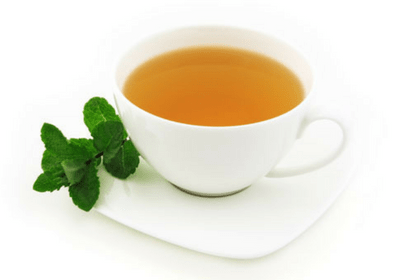
Solution 9: Drink Peppermint Tea
Peppermint promotes gut motility and can be useful in alleviating post hysterectomy gas pain. Drinking peppermint tea can provide relief from wind pain.
Avoid drinking peppermint tea if you have reflux or hiatus hernia to avoid worsening heart burn.
* Check with your doctor or pharmacist before drinking peppermint tea if you’re taking medication.
Solution 10: Nurture Your Gut Microbiome
Hysterectomy surgery is usually associated with large doses of antibiotics to prevent post-operative infection. Antibiotics can cause an imbalance of intestinal bacteria.
Having an imbalance of gut bacteria may increase the gas you produce after you eat.
Sweets and fast foods may increase some of non beneficial bacteria in the gut.
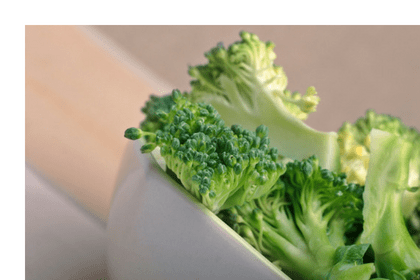
Prebiotic foods are known to feed beneficial gut flora. Helpful prebiotic foods include bananas, potatoes and asparagus. Some prebiotic foods are known to cause gas including legumes, garlic, leek and onion. You may choose to include these in your diet when your immediate gas pain has resolved.
Probiotics aim to improve intestinal motility and reduce intestinal fermentation and gas production. Probiotics may be helpful when added to the gut.
Speak to your pharmacist about your suitability for a course of probiotics. Many probiotics are readily available over the counter.
Eating yogurt may promote the growth and reestablishment of beneficial intestinal flora to help overcome bloating and gas.
What Causes Gas After Hysterectomy?
After a hysterectomy, gut motility or movement is slowed down
Gas build up or wind is caused by a number of factors including:
Inflammation and swelling with tissue injury (especially with abdominal hysterectomy)
Constipation
General anaesthetic
Pain relieving medications
Fasting for surgery
Decreased walking and movement
Slowed nervous system/neural changes
Hormonal changes.
Gas pain after hysterectomy surgery is one of the common unexpected side effects of this operation.
Try to incorporate one or more of these 10 solutions into your hysterectomy recovery to avoid and manage gas after hysterectomy.
Further Reading & Videos for Hysterectomy Recovery
1. Altman D, Zetterström J, López A, Pollack J, Nordenstam J, Mellgren A. (2004) Effect of hysterectomy on bowel function. Dis Colon Rectum. Apr;47(4):502-8; discussion 508-9. Epub 2004 Mar 4. Retrieved from https://www.ncbi.nlm.nih.gov/pubmed/14994113
2. Turco R, Salvatore S, Miele E, Romano C, Marseglia G, Staiano A.(2018) Does a low FODMAPs diet reduce symptoms of functional abdominal pain disorders? A systematic review in adult and paediatric population, on behalf of Italian Society of Pediatrics. Ital J Pediatr. 2018 May 15;44(1):53.Retrieved from https://ijponline.biomedcentral.com/articles/10.1186/s13052-018-0495-8
Pelvic floor exercises for women in 3 simple steps for beginners with Pelvic Floor Physiotherapist Michelle Kenway. This Physiotherapist guided video teaches you: Pelvic Floor
Anal fissure treatment for anal fissure healing and relieving anal pain with bowel movements presented by Pelvic Floor Physiotherapist Michelle Kenway. Watch this video and
Proctalgia Fugax exercises and treatments at home can quickly relieve sudden onset anal pain. Proctalgia Fugax is thought to involve temporary spasm of the pelvic
Tailbone pain relief for sitting and healing coccydynia with Physiotherapist Michelle Kenway. Learn 4 cost effective ways to relieve tailbone pain with sitting and promote